

Letting go often feels like a battle, but letting it be allows thoughts and feelings to flow naturally, fostering acceptance and reducing resistance. Embrace emotions without force. Read More
Letting go often feels like a battle, but letting it be allows thoughts and feelings to flow naturally, fostering acceptance and reducing resistance. Embrace emotions without force. Read More

Gibbs’ Rule #91 emphasizes moving forward without dwelling on the past. True peace and clarity come from embracing the present, rather than trying to fix or analyze past experiences. Read More

The author reflects on personal feelings regarding placing their father in a care home, revealing guilt and the complexities of emotional experiences. They emphasize the importance of recognizing our intrinsic psychological and spiritual rights, highlighting the freedom to think, feel, and change perspectives. Understanding these rights can lead to self-liberation and a more fulfilling life. Read More
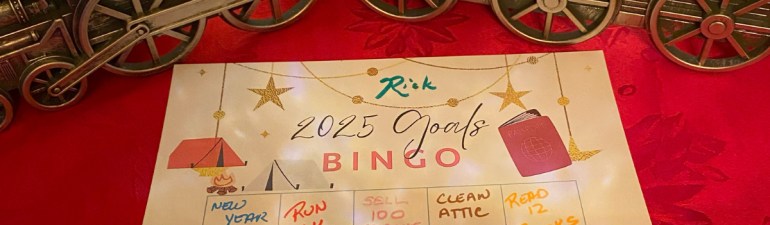
In welcoming 2025, the author shares a joyful New Year celebration with friends and family, centered around playing Rumolli on a new 3D-printed game board. The concept of “2025 Bingo” is introduced, encouraging participants to set playful goals. Insights about feeling alive emerge, emphasizing enjoyment in pursuit of aspirations. Read More
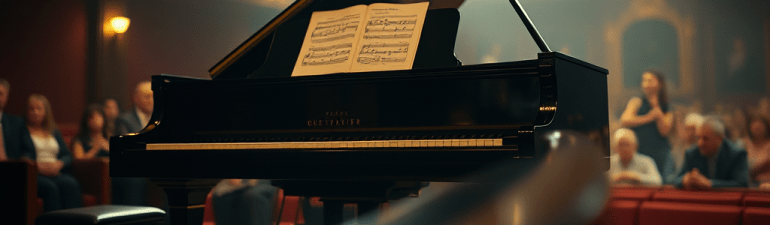
The Piano Teacher, written by Dorothy Dittrich, is a poignant exploration of grief and healing, emphasizing the importance of silence and presence in music and life. Through the relationship between a piano teacher and her student, the play illustrates how emotional recovery emerges in stillness, allowing creativity, connection, and resilience to flourish amidst life’s challenges. Read More

 Rick Ruppenthal | COACHING